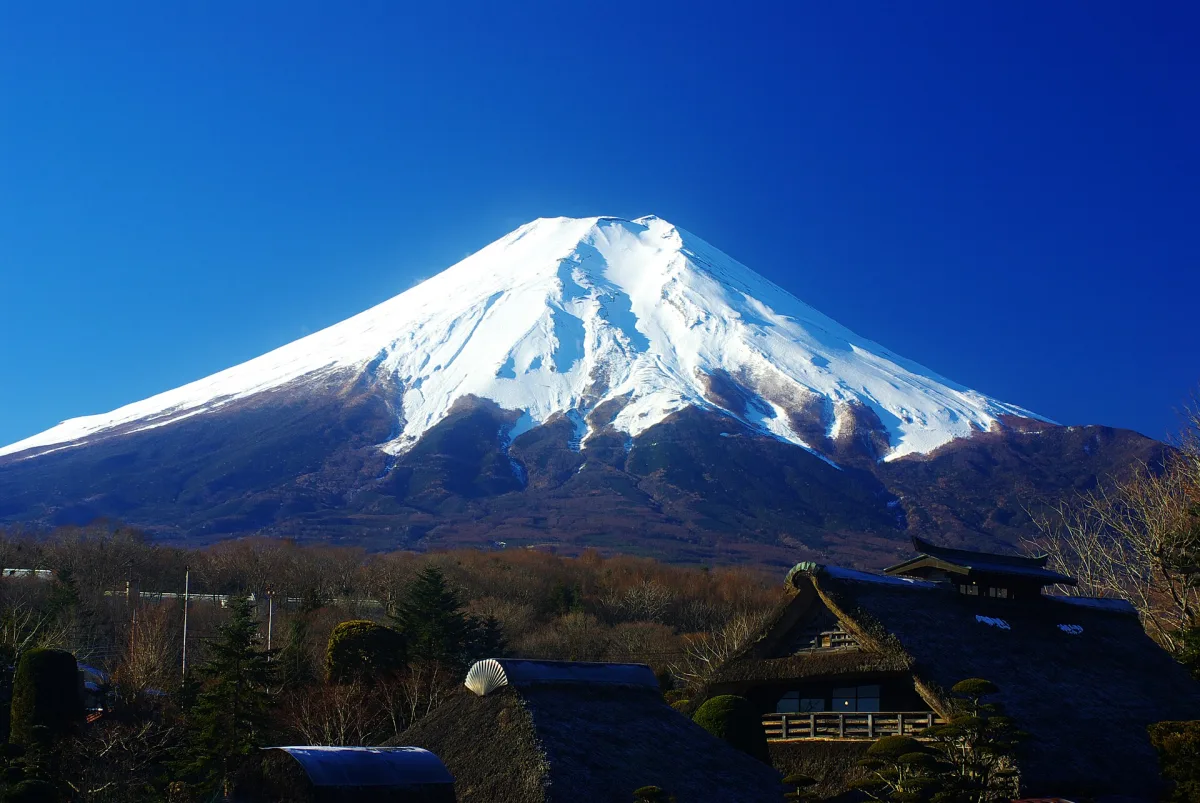
Oshino Hakkai
忍野八海
Eight ponds fed by Mount Fuji's snowmelt, which filters underground for decades before welling up crystal clear. Fuji pilgrims once purified themselves here.
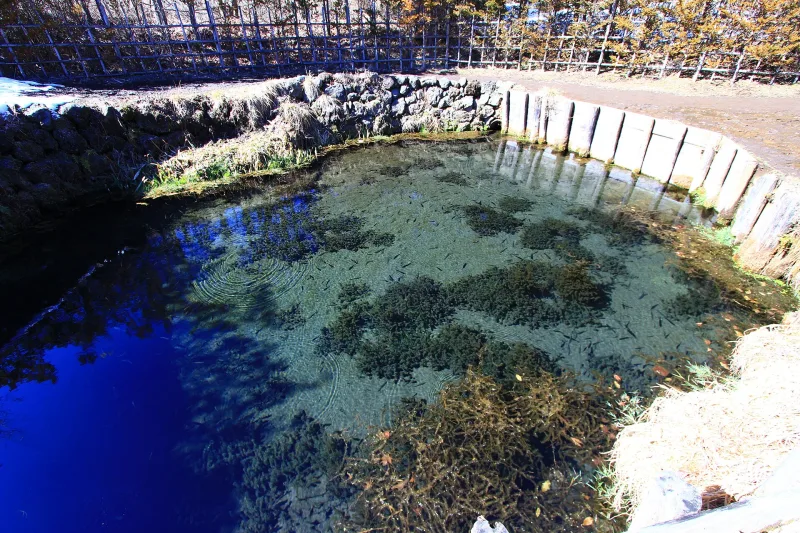
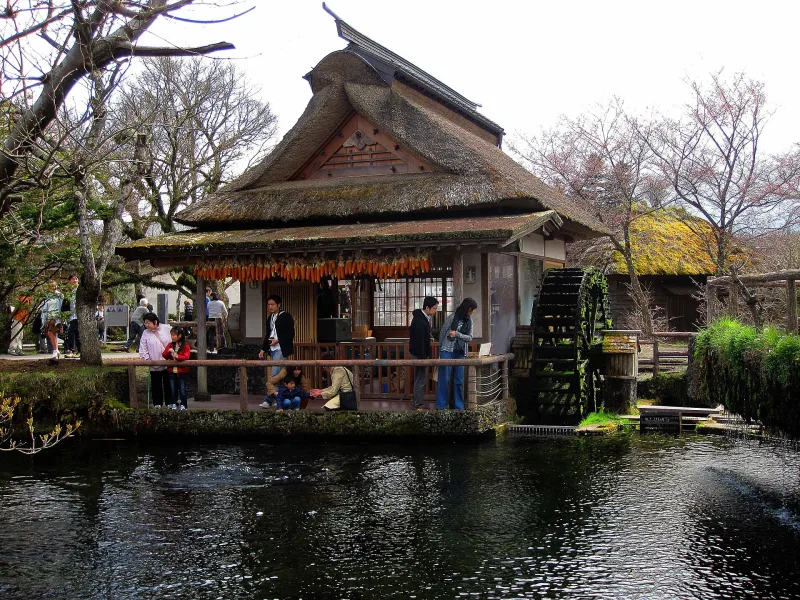
Eight ponds fed by Mount Fuji's water
Oshino Hakkai is a group of eight spring-fed ponds in the village of Oshino, Yamanashi Prefecture. Snow and rain that fall on Mount Fuji are filtered through layers of lava over several decades and then well up to the surface here. That is why the water is so clear that you can see the bottom of the ponds and the water plants in sharp detail.
The eight ponds are Deguchi-ike, Okama-ike, Sokonuke-ike, Choshi-ike, Waku-ike, Nigori-ike, Kagami-ike and Shobu-ike. They were designated a Natural Monument of Japan in 1934, and in 1985 they were chosen as one of the "100 Exquisite Waters" (a list of 100 outstanding springs and rivers across Japan).
Mount Fuji worship and World Heritage
In the Edo period, members of Fuji-ko (groups of people who worshipped Mount Fuji) made a round of these eight ponds before climbing the mountain, purifying themselves with the water. Each pond is dedicated to one of the Hachidai Ryuo, the Eight Great Dragon Kings who are gods of water.
Because of these links with worship, in 2013 Oshino Hakkai was inscribed as a component part (one of the places that together make up a World Heritage Site) of the World Cultural Heritage Site "Fujisan, sacred place and source of artistic inspiration".
Highlights and getting there
Kagami-ike (Mirror Pond) gets its name because on still days Mount Fuji is reflected in the water as if in a mirror. From Shobu-ike you can see Mount Fuji beyond a stone monument.
Take a bus from Mt. Fuji Station on the Fujikyu Line (about 15 minutes), then walk about 5 minutes from the Oshino Hakkai bus stop. By car it is about 20 minutes from the Kawaguchiko Interchange or about 10 minutes from the Yamanakako Interchange on the Chuo Expressway. The ponds are outdoors and have no set opening hours, except Sokonuke-ike, which can only be visited at set times.
Tips
- Please do not throw coins into the ponds. There are signs forbidding it in many languages, but coins keep piling up and there are worries about their effect on the water.
- Much of the land around the ponds is private property. Check where you are allowed to go as you walk, so you do not disturb residents or shopkeepers.
- If you come by car, use one of the paid car parks in the area.
Sources
- 忍野八海 - 観光情報 - 忍野村
- 忍野八海/富士の国やまなし観光ネット 山梨県公式観光情報
- 忍野八海 | 忍野村観光協会
- 忍野八海 - Wikipedia
- 世界遺産「忍野八海」に観光客が大量の硬貨を投入 - 弁護士ドットコムニュース
Updated 28 September 2026. Opening hours and prices change, so check the official site before you go.

.jpg)
