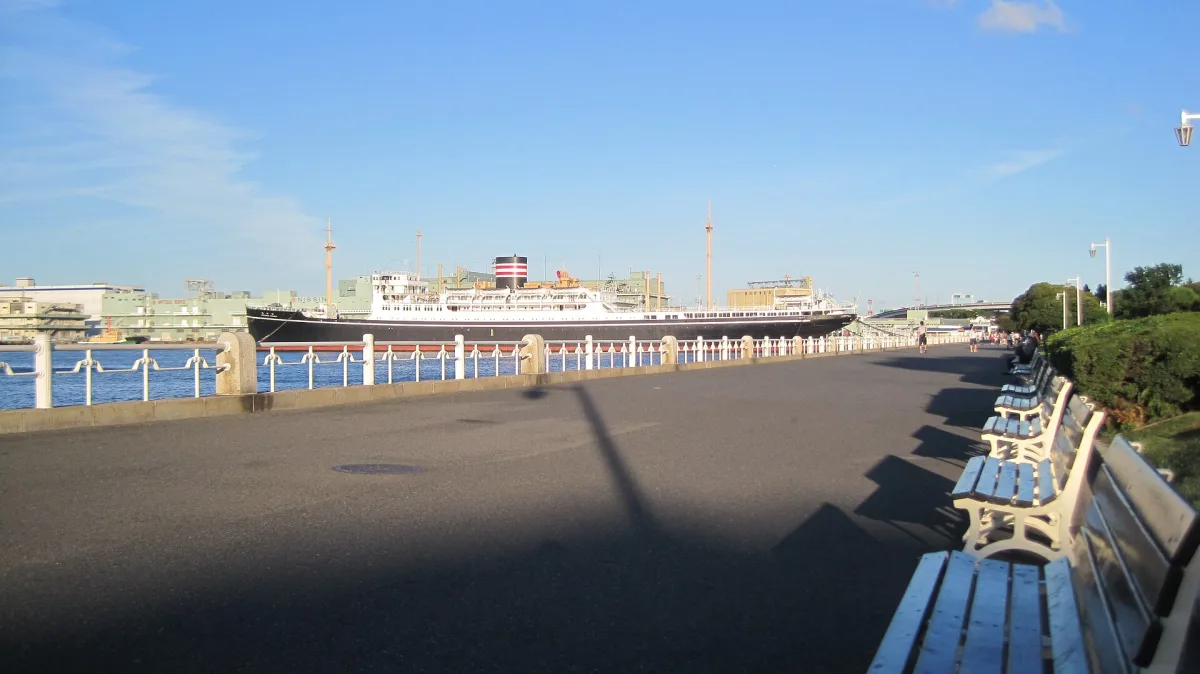
Yamashita Park
山下公園
A seaside park on Yokohama Port, built on rubble from the Great Kanto Earthquake. See the moored Hikawa Maru, the Bay Bridge and, in spring and autumn, roses.
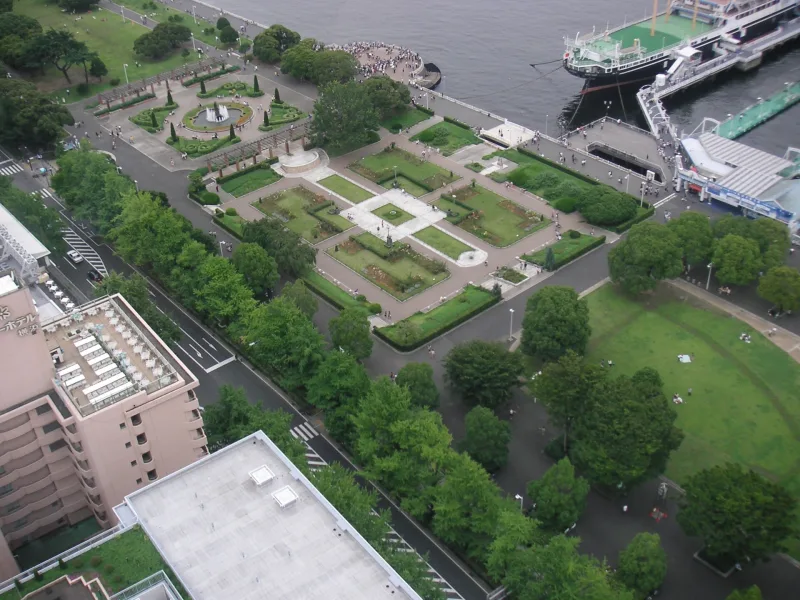
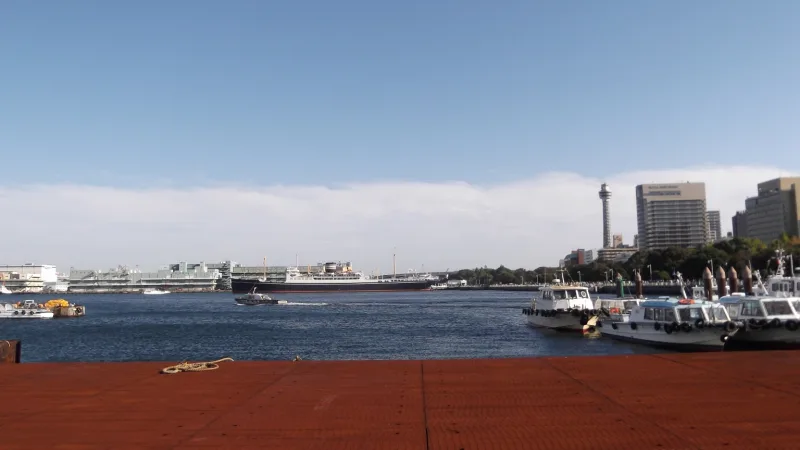
A park of recovery, built from earthquake rubble
Yamashita Park faces Yokohama Port in Naka Ward, Yokohama, Kanagawa Prefecture. The Great Kanto Earthquake of 1923 badly damaged Yokohama, whose streets were lined with foreign trading houses, and left behind huge amounts of rubble. That rubble was used to fill in the sea and create this park, which opened in March 1930.
The park covers about 7.4 hectares and runs for about 750m along the waterfront. After the Second World War it was requisitioned for a time by the US military (sesshu, meaning taken over for use by the occupying forces), then handed back bit by bit, becoming the park you see today.
A waterfront promenade and monuments
From the park you can watch the Yokohama Bay Bridge and the ships coming and going in the port. Moored at the quay is the historic ship Hikawa Maru.
The park has several monuments that speak of Yokohama's ties with the world: the statue of the Girl in Red Shoes, from a well-known doyo (a children's song); the Guardian of Water, a gift from the city of San Diego in the United States; and the Indian Water Tower, given by the people of India in 1937.
Rose gardens in spring and autumn
The park's Rose Garden of the Future is one of the best places in Yokohama to see roses. It reopened in April 2016 after renovation and is planted with many varieties, including climbing roses. The roses are at their best every spring and autumn.
The park often hosts events, and in spring it is one of the venues for Garden Necklace Yokohama, a flower and greenery event.
Getting there
It is about a 3-minute walk from Motomachi-Chukagai Station on the Minatomirai Line. From JR Kannai Station it is about a 20-minute walk, and from JR Ishikawacho Station about 15 minutes. Yokohama Marine Tower stands right next to the park.
Tips
- If you want to see the roses, time your visit for their peak in spring or autumn.
- The small bridge next to the Hikawa Maru is a reminder that this spot used to be a mooring place for ships.
Sources
Updated 29 September 2026. Opening hours and prices change, so check the official site before you go.
.jpg)

